Tag Archives: Nicholaus Patnaude

Review: Burnt Black Suns by Simon Strantzas (Hippocampus Press; 2014)

15 Oct

burntblacksuns

I read a short story by Strantzas in Nightmare Magazine called “Out of Touch” that genuinely affected me. It’s a simple ghost/haunted house story yet it resonated because of some other human touches (a lonely teen amidst a difficult divorce and a house-bound, sick friend). I had an immediate urge to read Burnt Black Suns afterwards.

Critics of the weird fiction genre are often quick to put everything under the burnt-black sun beneath the umbrella of: influenced-by-H.P.-Lovecraft. The first story in this book (“On Ice”)–while sharing some themes and symbols (eerie, otherworldly god-like monstrosities)–has a more straightforward style, pace, and natural feel than Lovecraft. It certainly is a taut tale that places you right in the desperate arctic circumstances no matter how strangely the plot unfurls. I especially enjoyed the vivid and terrifyingly original description of the monster in this one.

The second tale, “Dwelling on The Past,” is–predictably because of the title-a guilt-infused narrative. There is a particularly fine moment in its second to last scene which manages to blend and balance two separate timelines of hallucinations from the past. It sort of has a Poltergeist flavor to it and is again zippy, direct, and enjoyable–although not as strong/memorable as the first tale.

The third tale, “Strong As A Rock” causes me to revise my view of reviewers flippantly comparing Strantzas’ work to Lovecraft, for this tale shares its atmosphere with “The Shadow Over Innsmouth” to a degree–that sense of an abandoned town(in this case a hospital) being overtaken by malevolent/ancient/supernatural forces. It shares the sense of guilt and lost-loved-one theme of the previous tale, but this one ends too abruptly…and just as strange possibilities were opening up!

“By Invisible Hands” was written for a Ligotti tribute anthology, so that explains the heavy Ligotti influence of this tale. It is a bit reminiscent of two of my favorite stories from Songs of a Dead Dreamer (“Dreams of a Mannikan” and “Alice’s Last Adventure”) in that there are multiple levels of reality conflicting with each other, presaging madness. The puppet the creator constructs mingling with the driver’s multiple arm and mouthed body returning over and over as if in a living nightmare back to the mysterious Dr. Toth’s house was an unforgettably strange and disturbing image.

“One Last Bloom”–the body horror tale most referred to in their reviews–was excellent (and also the longest piece so far); it feels closer to Stuart Gordon Lovecraft than to the man from Providence himself. It also shares a bit with Mary Shelly’s Frankenstein (a work Lovecraft himself was hugely indebted to). Strantzas wisely frames this grisly From Beyond(1986)-flavored tale within an unrequited love triangle, notes, and journal entries. It reads a bit like a romantic comedy mixed with body horror–sort of reminiscent in tone to The Loved Ones(2009) (one of the best horror films of the last 30 years).

“Thistle’s Find” is an absolutely wonderful piece of the macabre. This has that pulpy/Reanimator Lovecraft vibe but with a more bad-taste of late 80’s/early 90’s horror movie element. I actually wish more pieces were as daring and funny as this one. Still, Strantzas has continually kept me surprised so far. [Note: on thinking back/revising my notes, this one remains my favorite story in the collection. It has kind of a 80’s goofy/Back-To-The-Future or Weird-Science vibe, but then becomes much darker.]

“Beyond the Banks of the River Seine” ends rather abruptly, and the supernatural element ends up being more of a tease than in previous tales where it was the showcase and focus. The voice is quite strong and it is a nice mix to throw in a new locale(France). I guess I just wanted to know what happened to Elyse, and to have a further doorway opened.

“Emotional Dues” is an incredibly visceral piece, shining a cruel light on the darkness and pain within every true artist’s heart; this really is an astounding collection of weird tales, and I might say here lies the true heir to Ligotti. Yet there is an accessibility to Strantzas’ style without compromising his strange and warped ideas–ideas like drifting clouds with the capacity to scramble and twist one’s preconceptions of the horror tale without, paradoxically, drifting too far astray. The imagery in this tale is particularly gruesome, strange, unexpected, and haunting.

“Burnt Black Suns” concludes this excellent collection. On his website, Stranzstas states that ” I know a few writers who work with oblique narratives, and a few more with cosmic horror, but I don’t know many that flip between both to the degree I do, especially within the confines of the same story.” Indeed, this masterful tale embodies both a sense of “cosmic horror” and “oblique narratives”; I especially enjoyed the scene where the narrator turns on his pregnant girlfriend to pursue his phantasmal lost child. This subtle state of madness is portrayed with sensitivity and with an underlying/terrifying current of cosmic dread.

I hope to read many more excellent stories by Simon Strantzas. I also love that his work helped inspire True Detective, my favorite television show (and I hate most television) since Twin Peaks.

Check out Burnt Black Suns here.

Website of Simon Strantzas

Review: Mira Corpora by Jeff Jackson (Two Dollar Radio; 2013)

11 Oct

Mira-Corpora-Cover

Wow. To read this directly after By The Time We Leave Here, We’ll Be Friends was a revelation. These two works offer whole new vistas of writing ideas and styles. This one felt more intimate somehow; probably because it reminded me of people I knew in my youth.

Hazy daydreams. Disturbed snapshots of a dysfunctional childhood (alcoholic mother). Redirected, spiralling narratives pointing/painting towards a cohesive whole.

Murderous truckers, sawing off kids limbs. Flashes of Henry Darger’s psychotic paintings but this time in world called Liberia. This reminds me of the excellent quote by Paul Eluard that opens the novella: “There is another world, but it is in this one.” And, indeed, another world does seem to open up within this one as you proceed through Mira Corpora’s riveting yet fractured pages. Jackson even confesses that Mira Corpora is based on a series of journals he kept as an adolescent–an extremely strange and original approach. I kept asking myself exactly how much changed was or left unaltered.

Odd oracles in fragments of notes discovered in tree houses. Young lover’s promises. Matted hair. Becoming feral. Superimposed desires in the form of reflections on the bodies of floating dead teenagers who could have almost died in ecstasy. Burning bodies mixed with perfumes, the awkward stages of ritual. An homage to Macbeth’s witches in the nightmarish forest (a lot of these scenes reminded me of the atmosphere of Charles Burns’s Black Hole as well).

I also enjoyed the series and asides and meta-narrative reminders that this is a series of discovered notebooks–there is a line in one such italicized meta section of Mira Corpora that talks about stabbing a hole in a piece of notebook paper and how an entire world is contained there (like the Eluard quote)–also, the fact that Jeff’s oracle is an ominous blank page–ominous because it predicated someone’s death previously–is an important symbol related to the theme of Worlds Within Worlds.

Bloated cassette tapes containing cherished, taped-off-radio mixes and packages managing to find our narrator even when he lives in a cardboard box. Black condoms, walkman headphones without foam. Nose-biting, ethereal music-loving clues. Transformed and transfixed to honor ephemeral passions. Clues to the unconscious or the soul, whichever heart-wrenches you away from the cold shadows and into the nourishing sun of some way of contacting humanity.

Red-scarved, frizzy blonde-haired singer in a grainy photograph. You return to the spotlight of your dreams. Traffic sounds become a song during the search for a maybe dead rock star. Drunken burglaries. Prison shadows. Chewed-off noses, chewed-off tongues. Sepia-tinted dreams for vintage bands already lending dreams to some starry-eyed teen staring at the back of a still-original plastic-sheathed vinyl artifact. Mouth-breather. Casual devil-worshiper.

Dreams could only be sleep-blind, snow-blind carousels. Baited with a little bag of heroin to plastic guitar humiliation.

Sketchy operations in underground veternarian offices with an upper window to watch people’s shoes on the sidewalk pass.

Divorced from one’s own body as if trapped in a mirror. Drugged and drifting while burning money and drinking the last drops of booze beside a highway. Let the spirit revolve or welcome inner revolutions, as if an uncertain raven in search of a dead hawk’s claws on which to feast.

Were the skaters slicing through the ice or just scratching flame trails on the endless white paper typewriting the unbearable vision of the orange tree?

Check out Mira Corpora here

Review: By The Time We Leave Here, We’ll Be Friends by J. David Osborne (Swallowdown Press; 2010)

7 Oct

bttwlhwbf

I started reading By The Time We Leave Here, We’ll Be Friends in a bit of a haze. After reaching about the 60% mark, I decided I must’ve only been half paying attention…and I was a bit lost. I decided to consult some synopses. Was this book really worth my time? The reviews were unanimously stellar, many comparing the book to David Lynch and Clive Barker. Also: many of the synopses focused on the fact that, eventually, an escape from the Siberian Gulag would be attempted with a “calf” (a prisoner to eat/cannibalize should the Siberian wilderness prove barren of nourishment). Putting emphasis on this element of the plot adds a bit of sensationalism (which, oddly, even the book’s editor (Jeremy Robert Johnson) reinforces in his afterword). Although an excellent scene–and perhaps the most lucid/thrilling/suspenseful in the book–it is but a silver of what the novel contains, and this novel is hardly a much of a suspenseful or traditional book at all. In other words: I loved it.

Even the aforementioned prison-break scene ends with a surreal mythological flavor (I won’t go into specifics since this is also the end of the novel). The novel is a bit like a puzzle, albeit an exquisitely tightly constructed one. So if you, like me, find yourself a bit lost the first time through, don’t be ashamed; just start at the beginning, regain your footing, and allow this beguiling little work to enfold you within its enchantments like a modern day Pedro Paramo.

One often feels as though one were tumbling through a George Grosz or Mark Chagall painting…in that it features a sense of charged/conflicted history but with a fantastic element (a man picking lint out of the ventricles of his heart or a serpentine shaped light escaping another man’s throat). Shark teeth, little women in shirt pockets, obscene tattoos, whale bones lodged into thighs. Even Diego Rivera is mentioned. Talking chalk writing, humming placentas, barbed wire growing and thrashing like venomous horror movie vines, ingrown (into ear) shoelaces, and haunted mines are just a few of the other images that will leave an imprint in your skull with a swift boot-kick to the face.

You feel like you’re reading an Aleksandr Solzhenitsyn novel at times, yet then something very strange or whimsical happens–like an angry guard growing shark’s teeth or an officer beating her lover with a vodka bottle instead of making love as they then both derive immense pleasure from the sadism (shark teeth growing, eyes shifting to a devlish shade)–and we return to the harsh prison camp reality…yet at the periphery: a kind of electric fan of insanity continues to hum and blow, threatening to unravel and distort all of the officers’ and prisoners’ conscious and unconscious experiences there. Dreamlike scenes when a wounded prisoner fights with an officer while urinating all over him and his wound (by whale bone) would be one such scene to support the previous thesis.

Hallucinated voices over the radio, feelings drifting through a netherworld from someone far away (“warm and red feelings”). Throats that can suck souls. Fantasies of cannibalism Dreams of holding a stick attached to a decapitated head while feeding it apples. A marvelously strange and original book. This one will last.

check out By The Time We Leave Here, We’ll Be Friends

Review of Muerte Con Carne by Shane McKenzie (Deadite Press; 2013)

2 Oct

muerte-con-carne

Muerte Con Carne presents us with an utterly ghastly premise: there’s a Texas-Chainsaw-Massacre-ish family living on the border between the U.S.A. and Mexico, waiting for tired/weary illegal adventurers into the land of the free…waiting for ingredients for their tacos. And, boy, their tacos sure are popular in the little wasteland of a border town where Felix and Marta stay before embarking on a suicidal documentary-making mission.

McKenzie has a real knack for painting believable characters with very urgent conflicts, no matter how bizarre the premise (read the unforgettable Pus Junkies and Toilet Baby for evidence of this). I particularly enjoyed Felix’s scenes, especially at the seedy bar and with the overweight Norman Bates-esque hotel clerk. This one contained a lot more grue than the other McKenzie books I read, and will be a special delight to torture-porn addicts. I guess I enjoy McKenzie’s work the most for its wacky humor intermixed with absolutely harrowing scenes that place you deep into the rapidly unfolding tale with his excellent use of sensory details and clipped/direct style.

I look forward to more of his books!

check out Muerte Con Carne here

Toilet Baby by Shane McKenzie (Eraserhead Press; 2014)

27 Sep

toiletbabycoversm

A weird, EXTREMELY DISGUSTING novella that reminded me of The Garbage Pail Kids film and cards in certain ways. Having said that, it still feels like a cartoon or even a romantic comedy in terms of its narrative structure and themes (Parenthood, Fitting-In, Family, etc.).

I despise reviews that summarize, so I’ll just say that McKenzie manages to make this unlikely/strange premise (toilet kids birthed from toilets) actually quite believable. I even found myself rooting for the characters and highly entertained as it moved seamlessly from one surprising/frightening scene to the next. Did I mention it was disgusting? If you found the film Street Trash funny, then you probably have a sick enough sense of humor to enjoy this–but also, like I said, it’s actually pretty heartwarming in the same way as a well-constructed RomCom. So, really, anyone can enjoy this quaint little tale called Toliet Baby in a joyous evening while roasting chestnuts over an open fire.

check it out

Peckerwood by Jedidiah Ayres (Broken River Books; 2013)

27 Sep

peckerwood

This was a short, satisfying, complex little crime novel. It shifts perspectives quite often (hawks In Cold Blood sections come to mind) to a slightly-surreal/jarring effect, but nonetheless feels like classic hard-boiled noir. One unforgettable scene includes two disorganized crime yokels trying to frame a disguised televangelist in a redneck gay bar.

I hope Jedidiah Ayres keeps publishing crime books in this style; it was quite refreshing compared to other grocery-store crime Gods like Patterson, Kellerman, and the like. It is twisted, compelling, and action-packed. I reread the prologue for its somehow hypothetical tone and jarring investigation of dead possibilities several times before embarking on the unforgettable ride that is this novel.

check it out

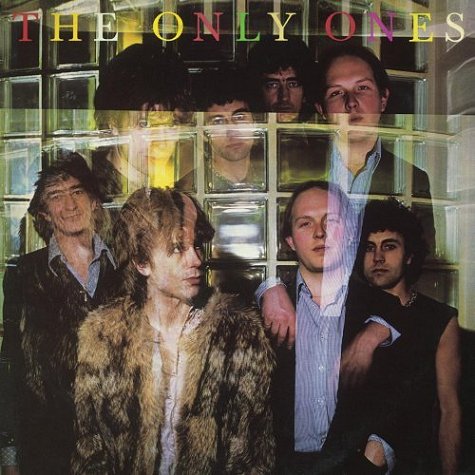
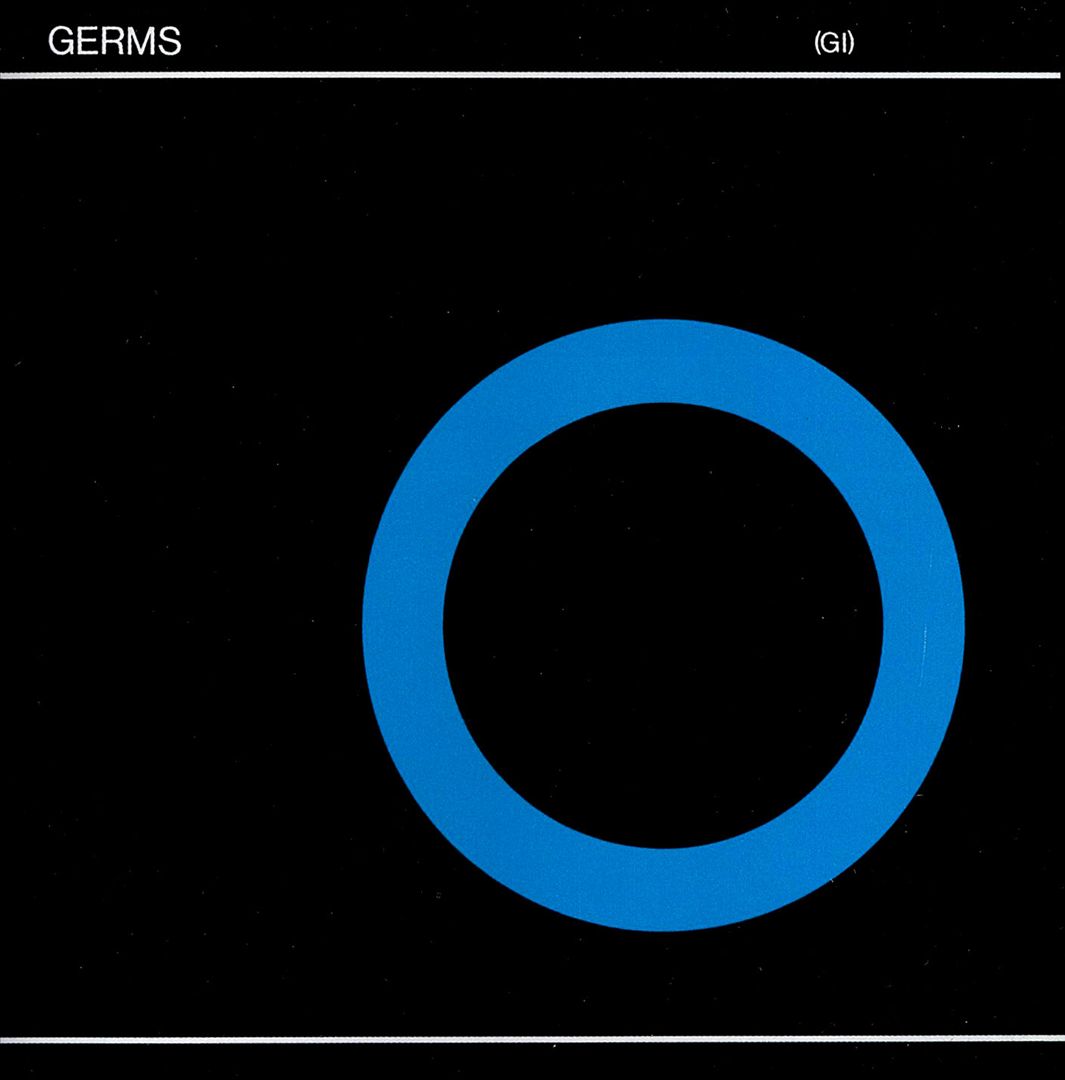
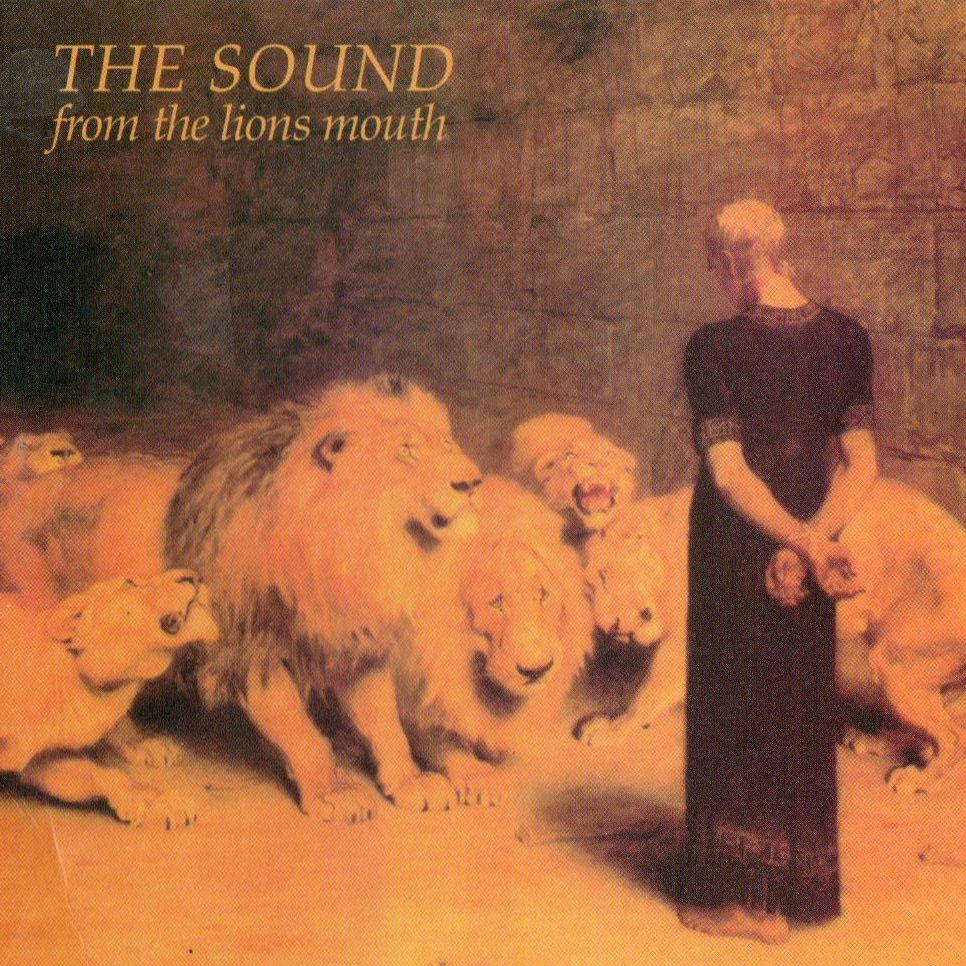
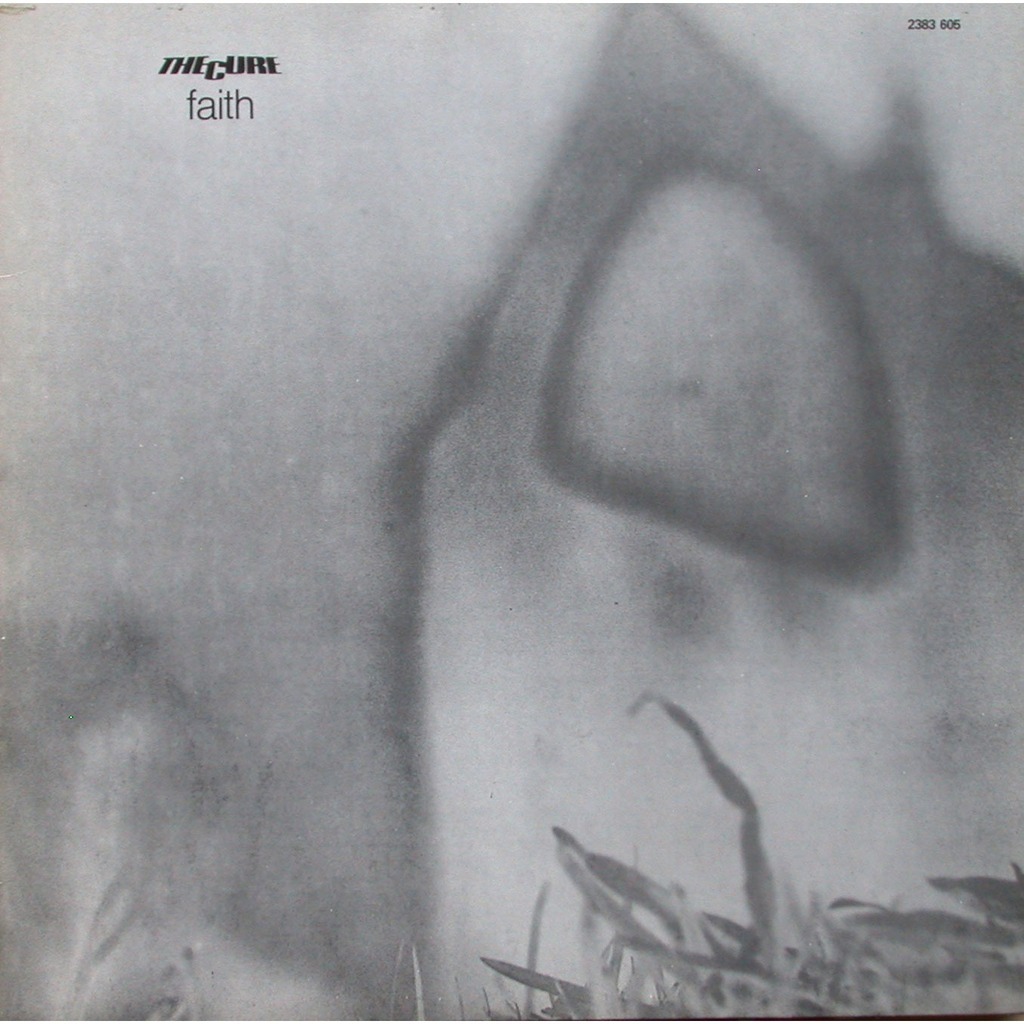
10 records found under Karen’s(character from First Aide Medicine) closet floorboards

27 Sep

The+Only+Ones+-+The+Only+Ones+-+CD+ALBUM-459896

thepopgroup

magazinerealife

thegermsGI

The Gun Club - Fire of Love -

OLYMPUS DIGITAL CAMERA

thesound

Echo-and-the-Bunnymen-Crocodiles

thecurefaith

doublenicklesonthedime

Top 10 Psychedelic Horror Novels

6 Aug

1. The Blind Owl by Sadegh Hedayat

20140805-203656.jpg

2. The Cipher by Kathe Koja

20140805-204103.jpg

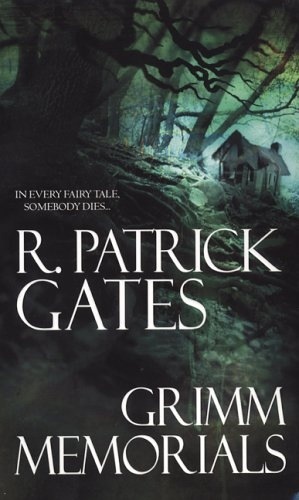
3. Grimm Memorials by R. Patrick Gates

20140805-204404.jpg

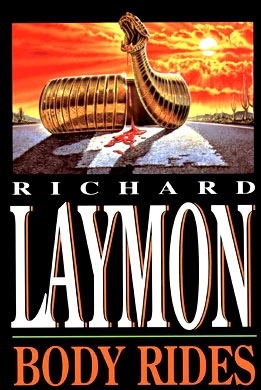
4. Body Rides by Richard Laymon

20140805-204753.jpg

5. It by Stephen King

20140805-205318.jpg

6. The Cannibals of Candyland by Carlton Mellick III

20140805-205559.jpg

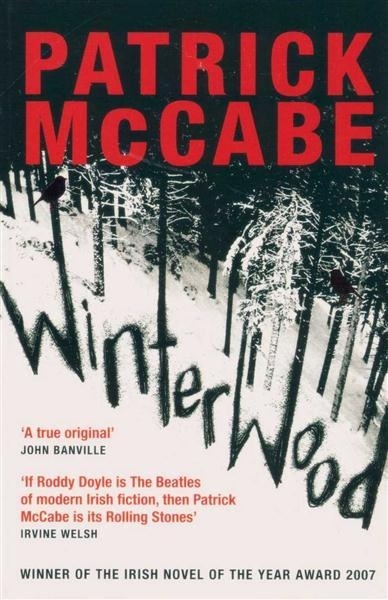
7. Winterwood by Patrick McCabe

20140805-205904.jpg

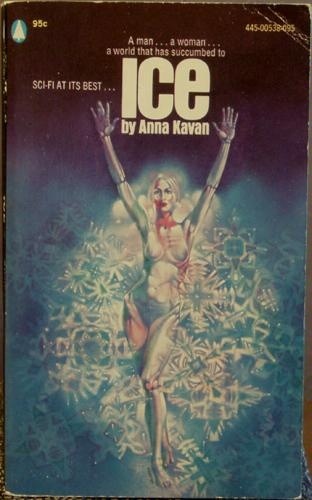
8. Ice by Anna Kavan

20140805-210132.jpg

9. Period by Dennis Cooper

20140805-210423.jpg

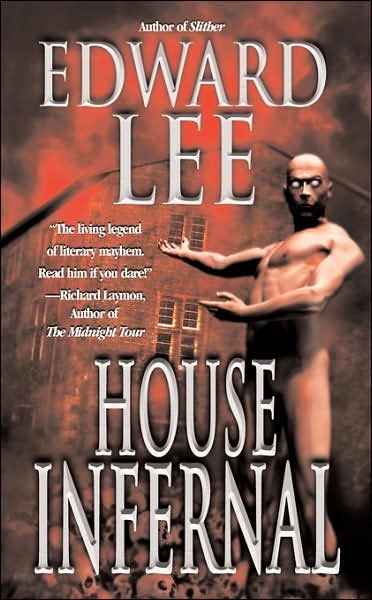
10. House Infernal by Edward Lee

20140805-210912.jpg

Top 20 Horror Films As of Today

10 Jun

20140610-210305.jpg

1. An American Werewolf in London (1981)
2. The Texas Chainsaw Massacre (1974)
3. The Loved Ones (2009)
4. Drag Me to Hell (2009)
5. Reanimator (1985)
6. Maniac (2012)
7. Beyond the Black Rainbow (2010)
8. Phantasm (1979)
9. Phenomena (1985)
10. Halloween 2 (2009)
11. Orphan (2009)
12. The Brood (1979)
13. Rosemary’s Baby (1968)
14. Onibaba (1964)
15. Kuroneko (1968)
16. In The Mouth of Madness (1994)
17. Three…Extremes (2004)
18. Sleepaway Camp (1983)
19. Dark Skies (2013)
20. Evil Dead (2013)

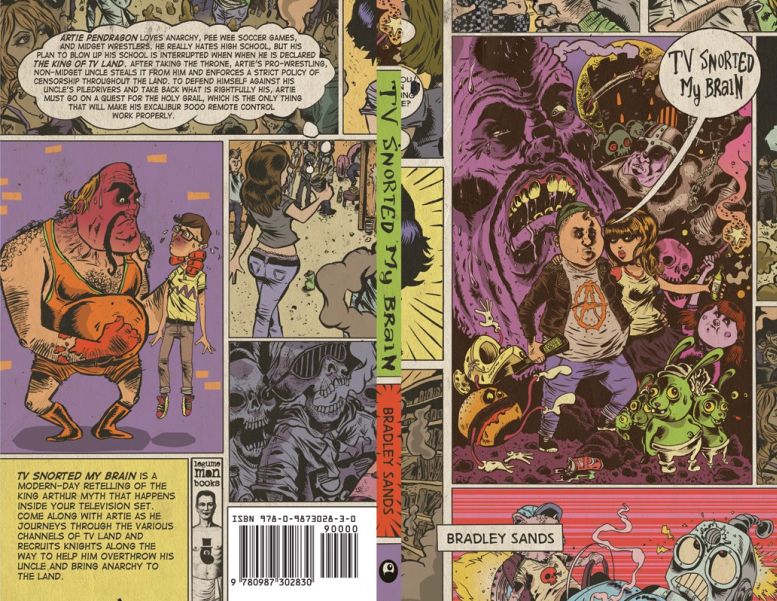
TV Snorted My Brain by Bradley Sands (LegumeMan Books; 2012)

31 May

tvsnortedjacket

Deeply in love with the cover art of this one–I wonder if this artist actually does comics? This one did not have the same emotional depth as some of the other bizarro writers I’ve been reading lately. Nonetheless, you will find some imaginative absurdist mayhem within these pages. Check it out if you feel like some lighter/consistently slapstick and scatological bizarro fare.

Buy TV Snorted My Brain by Bradley Sands